

An invitation to found YATIR
Help build what our children have been missing.
Some of the most intellectually capable children in our Jewish communities are also among the hardest for conventional schools to support.
Their gifts are extraordinary. Their learning disabilities can be profound.
Too often, families cannot find a Jewish education equipped to recognize both. YATIR is being established to connect families with educational possibilities and help make those opportunities accessible.
The children
Brilliant minds.
Profound challenges.
Twice-exceptional (2e) children are intellectually gifted children who also have learning disabilities or neurodevelopmental conditions (including ADHD, autism, OCD, dyslexia, and dysgraphia) that can significantly affect their learning, emotional regulation, behavior, or ability to participate in conventional classrooms.
 Ability
 Overwhelm
- 01
Advanced reasoning. Profound executive-function difficulties.
A child who understands sophisticated concepts but cannot reliably begin or complete routine assignments without substantial support.
- 02
Exceptional intelligence. Severe sensory dysregulation.
A child whose advanced intellectual abilities coexist with sensory overwhelm that can erupt in aggression or flight.
- 03
Sophisticated thinking. Extreme difficulty with flexibility and demands.
A child whose intellectual abilities coexist with severe rigidity and distress around transitions or everyday expectations.
Examples only — not universal or diagnostic criteria.
“These children are not less gifted because they need more support. And they are not less deserving of a Jewish education because that support is difficult to provide.”


The search
A mother's search became a community's assignment.
When Tamar Amoyal looked for a Jewish school that could both challenge and support her twin boys, Max and Yuli, the answer kept coming back the same: "We don't have the supports for your child."
Through her own research, she found a Jewish day school in Maryland whose published materials explicitly described serving twice-exceptional students. Reaching it, though, would mean another state — and day-school tuition plus a separate fee for specialized support.
“I finally found a school that might understand my children. I still had to figure out how to get them there.”
The landscape
The educational possibilities exist. The pathways do not.
Some Jewish programs already combine individualized support with challenging academics and wider Jewish school life. But information is fragmented, and financial and geographic barriers remain significant.
- 19
- Preliminary listings
- 11
- States
Research snapshot, October 2026. Listings are not verified placements, endorsements, or formal partnerships.
Hover a marker to see the school — click it to open the full listing.
What YATIR will build
From scattered possibilities to meaningful access.
Find
01 · YATIR School Network
A national educational resource
Research, maintain, and expand publicly useful school and program information.
Research underway
Afford
02 · YATIR Education Fund
Direct family access
Develop independently administered education assistance for eligible families.
In development
Reach
03 · YATIR Access Fund
Direct family access
Develop independently administered relocation and transition assistance where suitable options are not local.
In development
Expand
04 · YATIR Outreach
Stronger educational capacity
Build school relationships and share knowledge that may help more Jewish schools support 2e students.
Planned
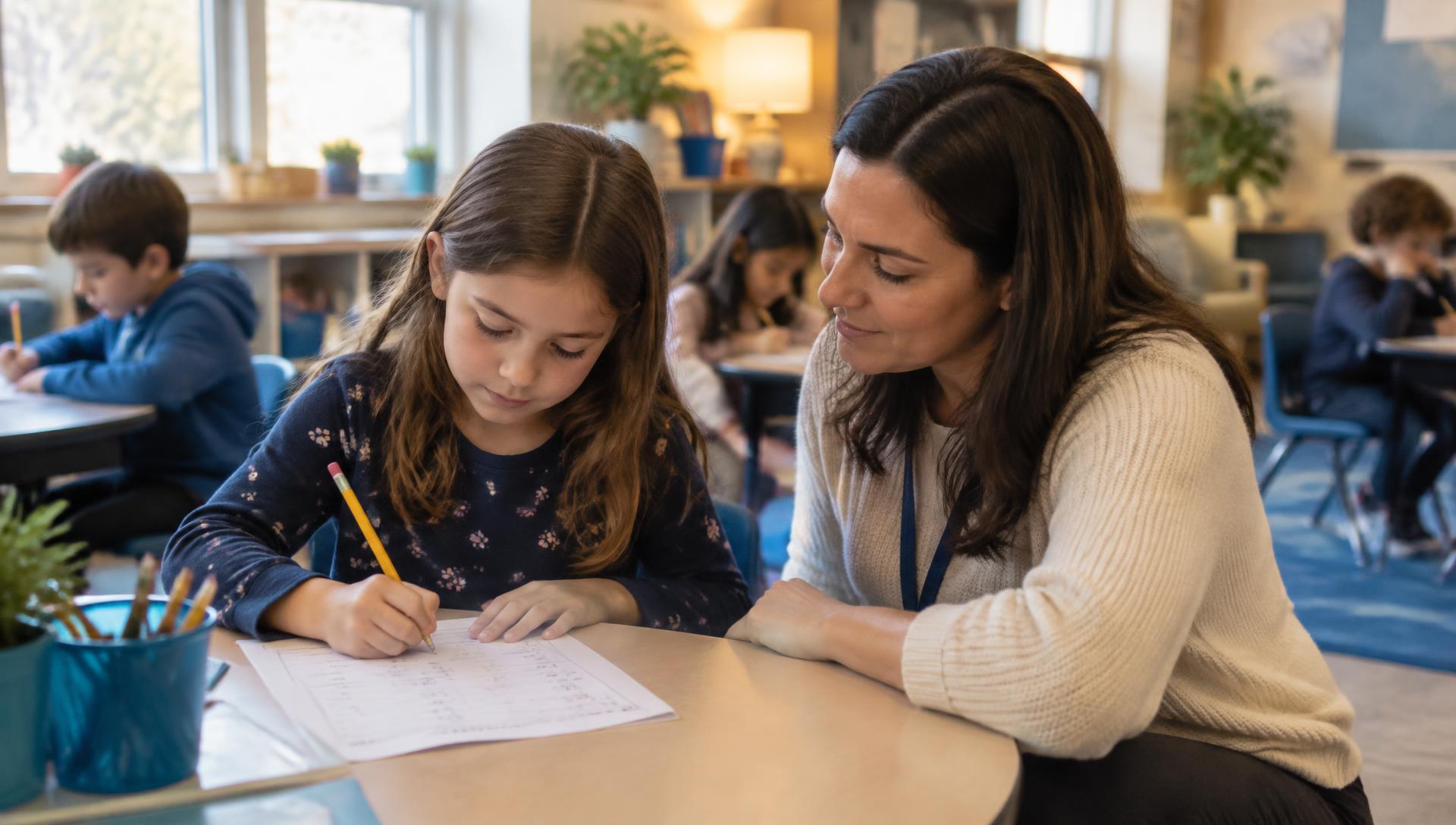
An education that recognizes the whole child.
Appropriate support should not come at the expense of intellectual challenge. And exceptional ability should not disqualify a child from receiving the support they need.
Not an actual YATIR placement or partner school.
The first milestone
The first families. The first opportunities.
The proposed 2027–2028 pilot has a preliminary goal of supporting approximately 3–5 eligible households — and of establishing the research, intake, financial assessment, governance, and coordination processes future service will depend on.
This is a planning ambition, subject to funding, school admissions, operational readiness, and independent approval. Recurring tuition and educational continuity beyond the first year require responsible planning before any award is made.
Oct–Dec 2026
Establish the foundation
Legal structure, independent governance, financial controls, initial school outreach, and founding fundraising.
Jan–Mar 2027
Identify families and opportunities
Develop family intake, document school costs, and establish independently administered eligibility and review procedures, if legally and operationally ready.
Apr–Jun 2027
Make the first assistance decisions
Assess documented need and consider independently approved awards, subject to secured funding, legal readiness, and school admissions.
Jul–Sep 2027
Support educational transitions
Help approved families coordinate enrollment and, where necessary, relocation for the 2027–2028 school year.
Sep 2027–Jun 2028
Learn, evaluate, and refine
Gather family and school feedback, document remaining barriers, and evaluate the initial program to inform the next phase.
The founding investment
A $500,000 investment in what comes next.
$215,000 (43%)
Organizational Launch & Program Delivery
Founding leadership, independent governance, legal and accounting foundations, research infrastructure, and the work of delivering the programs.
$285,000 (57%)
2027–2028 Student & Family Access Fund
Proposed, independently administered assistance toward tuition, specialized programs, and qualifying relocation for eligible families.
Planning allocations, not funds raised. Proposed compensation, financial aid policies, governance, and related-party safeguards require independent review and approval; full details are on the financial transparency page.
A personal invitation
Help build something that lasts.
We are seeking founding partners who recognize the need for a national approach to twice-exceptional Jewish education and want to help make it possible.
Your support will help establish YATIR's foundational infrastructure and launch its first proposed family assistance program for the 2027–2028 school year.
Founding partnerships begin as conversations, one at a time — this page does not accept gifts online.
Important disclosures
- The YATIR Initiative is in its founding phase.
- Tax-exempt status or fiscal sponsorship has not yet been established; gifts are not currently tax-deductible.
- Online gifts are not being accepted.
- Financial assistance remains proposed; no grants, placements, or partnerships are currently offered.
- Grants will require independently administered eligibility and award decisions.
- Donors cannot select individual recipients through the charitable program.
- No assistance is reserved for the founder's family.
- Any potential related-party participation requires separate legal review, recusal, and appropriate safeguards.
- Photographs do not depict actual beneficiaries or partner schools.